


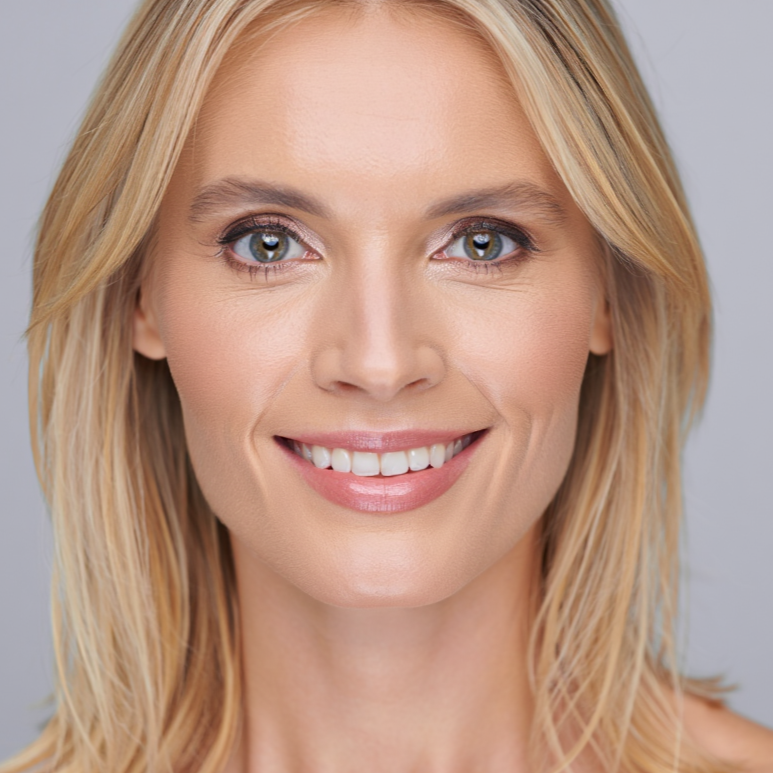
Platelet Rich Plasma / PRP (PRF)




🩸 PRP: Platelet-Rich Plasma
Complete guide to the regenerative treatment that uses your own blood to rejuvenate skin, combat hair loss and repair tissues.
🩸 Do they inject your own blood into your face? The complete truth without myths
"So they take my blood, put it in a centrifuge like a washing machine, and then inject it back into my face? Isn't that... weird?"
Yes, that's exactly it. And no, it's not weird. It's science. And it's one of the treatments with the most scientific evidence in aesthetic and regenerative medicine.
1️⃣ 100% yours → It uses your own blood, zero risk of allergies or rejection.
2️⃣ Not a filler → It doesn't add volume like hyaluronic acid, but it improves quality, texture and luminosity.
3️⃣ Progressive results → Effects are seen in weeks, not immediately. Patience pays off.
4️⃣ Versatile and powerful → Works for skin, dark circles, acne scars, hair loss and sports injuries.
🔍 Use the table of contents to resolve all your questions: from what exactly PRP is to how much it costs, including everything it can do for your skin and hair.
📑 Table of Contents
PRP stands for Platelet-Rich Plasma. Plasma is the liquid part of your blood (55% of volume). Platelets are small cells that circulate in the blood whose main mission is to stop bleeding and repair tissues.
When you concentrate platelets (3 to 7 times higher than normal) and activate them, they release growth factors that stimulate repair, regeneration and collagen production. In summary: PRP is your own blood, processed to become a super-regenerator.
No. PRP contains platelets (small cells without a nucleus). Stem cells are cells with a nucleus that can differentiate into other cell types. PRP does not contain significant stem cells.
What PRP does is activate your own stem cells (the ones you already have in your skin, hair follicle, etc.). But it is not stem cells itself.
PRP is obtained from a venous blood draw (like a normal blood test). It is taken from your arm, placed in special tubes with anticoagulant, and centrifuged to separate the components by density.
The amount depends on the area being treated:
- Face (dark circles, cheeks): 10-20ml blood → 2-4ml PRP
- Full face + neck: 20-30ml → 4-6ml PRP
- Scalp (hair loss): 20-40ml → 4-8ml PRP
- Knees or tendons: 30-60ml → 6-12ml PRP
This is much less than a blood donation (450ml). It won't give you anaemia.
✔️ It's yours, no risk of allergies or rejection.
✔️ Handled with sterile, single-use materials.
✔️ No risk of transmitted diseases (unlike donor products).
✔️ Infection risk is less than 1%.
The only risk is from any injection: bruising, infection (rare if sterility is maintained), or pain.
Growth factors are proteins that platelets release when activated. They are like "chemical messengers" that tell your cells :
- "Multiply" (cell proliferation)
- "Produce collagen" (connective tissue synthesis)
- "Form new vessels" (angiogenesis)
- "Reduce inflammation" (immune modulation)
The most important ones: PDGF, TGF-β, VEGF, EGF, FGF. Strange names, wonderful effects.
PRP (the part that is injected) is light yellow or straw-yellow, similar to very dilute urine. If it's red, the centrifugation didn't separate red blood cells properly (bad technique). It has no smell. If it smells strange, it means it's contaminated.
45-75 minutes in total:
- Blood draw: 5 minutes
- Centrifugation: 10-15 minutes
- PRP preparation: 5 minutes
- Anaesthesia (cream): 30 minutes (done while centrifuging)
- Injection: 15-30 minutes
PRP is excellent for improving skin quality, not so much for filling large volumes. Main uses :
- ✅ Facial glow and luminosity ("Vampire Facelift")
- ✅ Dark circles (due to thin skin or vascular congestion)
- ✅ Acne scars (improves texture and colour)
- ✅ Dull skin, enlarged pores
- ✅ Fine lines (smoothes them, doesn't fill them)
- ✅ Mild sagging (stimulates collagen)
- ❌ Does not add volume like hyaluronic acid
No. PRP does not add volume. It doesn't fill nasolabial folds or lips. What it does is improve skin quality: skin becomes thicker, more hydrated, more luminous. Fine lines look better because the skin is tighter, but it's not a filler.
Studies on its efficacy for eliminating wrinkles are still inconsistent . For deep wrinkles, it's recommended to combine PRP with hyaluronic acid.
Yes, it's one of the best uses of PRP. Dark circles usually have two causes: very thin skin that reveals blood vessels (purple/blue colour) and pigmentation (melanin).
PRP thickens the skin and improves circulation, which reduces the dark appearance. It doesn't remove melanin, but by thickening the skin, the colour is less visible. It's one of the best treatments for dark circles .
Yes, but it gives very mild and temporary volume (weeks) because plasma attracts water. It's not comparable to hyaluronic acid. If you want voluminous lips, use HA. If you want more hydrated lips with better texture, PRP helps.
Yes, PRP improves the texture and colour of acne scars. It's even more effective when combined with :
- Microneedling (Dermapen): PRP is applied to the skin after needling
- Subcision: for depressed scars
- Laser: for red or hypertrophic scars
It doesn't erase deep scars, but notably improves superficial ones.
The Vampire Facelift is a commercial trademark (from Charles Runels' clinic) that combines PRP with hyaluronic acid. HA is injected for immediate volume and PRP to improve skin quality. It's not a "lift" (it doesn't lift the skin), it's a volume + regeneration treatment. The name is marketing, not a literal description.
Yes, it's one of the uses with the most scientific evidence after sports injuries . Mechanism:
- Reduces inflammation around the follicle (a common cause of hair loss)
- Increases blood flow to the scalp
- Stimulates follicle stem cells to enter the growth phase
Results according to studies: increased hair count (density), increased hair thickness (calibre), reduced shedding (less hair in the shower/pillow).
| Type of alopecia | Does PRP work? | Comment |
|---|---|---|
| ✅ Yes | Most studied, good results | |
| Telogen effluvium (stress, post-partum shedding) | ✅ Yes | Accelerates recovery |
| Alopecia areata (circular patches) | ⚠️ Possibly | Variable results |
| Total baldness (smooth, shiny skin) | ❌ No | No follicle to stimulate |
Yes. Androgenetic alopecia affects both sexes, although with different patterns. In women it often works even better because the cause is less aggressive.
No. If the scalp is smooth and shiny (no visible follicles), there's nothing to stimulate. PRP doesn't create new follicles. The only solution then is hair transplant.
Yes, PRP can be injected into the eyebrows and beard to improve density. If you have areas with little hair, PRP can stimulate existing follicles. It doesn't create hair where there's no follicle. 4-6 sessions are needed.
Yes, this is the original and most evidence-backed use. PRP has been used in sports medicine and traumatology for years for :
- Tendinitis: tennis elbow, Achilles tendon, jumper's knee
- Knee osteoarthritis: improves pain, doesn't completely regenerate cartilage
- Muscle injuries: muscle tears, accelerates recovery
- Ligament sprains
Athletes like Rafael Nadal or Tiger Woods have revealed using PRP successfully . Beneficial effects appear within 4-6 weeks.
The O-Shot (Orgasmo Shot) is PRP injected into the clitoris and anterior vaginal wall. Proponents say it improves sensitivity, lubrication and urinary incontinence. Evidence is limited but promising. It's not a magic treatment, but some women notice improvement.
| Characteristic | Hyaluronic Acid | PRP |
|---|---|---|
| Origin | Laboratory (bacterial fermentation) | Your own blood |
| Mechanism | Physically fills | Regenerates |
| Immediate volume | ✅ Yes | ❌ No |
| Improves skin quality | ❌ No (except skinboosters) | ✅ Yes |
| Duration | 6-18 months | 6-12 months (cumulative) |
| Allergy risk | Very low | Zero (it's yours) |
| Initial sessions | 1 | 3-4 |
| Price per session | £250-600 | £150-400 |
| Characteristic | PRP | Exosomes |
|---|---|---|
| Origin | Your blood | Cultured cells (donor) |
| Regulation | Approved, well regulated | Legal grey area |
| Evidence | Many studies | Few, small |
| Price | £150-400/session | £600-2000/session |
| Risk | Very low | Theoretical (infections, cancer) |
PRP is safer, cheaper and has more evidence than exosomes. Exosomes may be more powerful in the future, but today PRP wins on cost-benefit ratio.
The blood draw hurts like a normal blood test: a quick pinch, 2-3 seconds.
Injections in the face hurt like repeated small pricks. Anaesthetic cream can be applied 30-40 minutes before to minimise discomfort. In general, it's tolerable.
For the face, anaesthetic cream is recommended 30-40 minutes before. For the scalp (hair loss), anaesthetic cream helps, but it hurts more because the scalp is sensitive. For knees or tendons, injected local anaesthesia is used.
Results are progressive, not immediate:
- 1-2 weeks: more hydrated skin, slight glow
- 4-6 weeks (after 2nd session): notable improvement in texture and luminosity
- 3 months: peak effect for skin
- 4-6 months: peak effect for alopecia (new hair growth)
Complete improvement can take six to eight weeks.
| Objective | Initial sessions | Interval | Maintenance |
|---|---|---|---|
| Facial skin (quality, luminosity) | 3 sessions | 3-4 weeks | 1-2 sessions/year |
| Dark circles | 3-4 sessions | 3-4 weeks | 1-2 sessions/year |
| Hair loss | 4-6 sessions | 4 weeks | 2-4 sessions/year |
| Acne scars | 4-6 sessions | 4 weeks | 1-2 sessions/year |
Results can last around 18 months.
Not everyone responds equally to PRP. Factors that influence:
- Quality of your platelets: decreases with age and certain diseases
- Centrifugation technique: not all machines are equal
- Injection technique: incorrect depth or amount
- Cause of the problem: very advanced alopecia responds less well
It's estimated that 70-80% of people notice improvement. 20-30% notice no significant difference.
- Pregnancy and breastfeeding: No safety studies
- Active cancer or chemotherapy: PRP stimulates cell division
- Active infections: Cold sores, fever, systemic infection
- Treatment with Roaccutane (isotretinoin): Wait at least 6 months
- Severe coagulation disorders: Severe thrombocytopenia
- Anticoagulants: Only suspend with medical authorisation
| Medication | Is it possible? | Comment |
|---|---|---|
| Aspirin (low dose) | Yes | Increased risk of bruising |
| Ibuprofen, naproxen | Yes (suspend 5-7 days) | Increases bruising |
| Sintrom (acenocoumarol) | ⚠️ With authorisation | High risk of bruising |
| Eliquis, Xarelto | ⚠️ With authorisation | Assess risk/benefit |
| Situation | Is it possible? |
|---|---|
| Active cancer (chemotherapy, radiotherapy) | ❌ No |
| Recent remission (< 2 years) | ⚠️ Consult your oncologist |
| Remission > 5 years, no recurrence | ✅ Generally yes |
| Skin cancer (melanoma, carcinoma) | ❌ Not in the cancer area |
PRP stimulates cell division. In theory, it could stimulate residual cancer cells. Most oncologists are cautious and recommend waiting 5 years without recurrence.
Side effects are mild and infrequent:
- Localised pain at the injection site (1-3 days)
- Temporary redness and swelling (2-5 days)
- Small bruises in areas of thin skin
- Infection risk: less than 1%
The risk of allergic reaction is practically zero because it's your own blood.
General recommendations :
- Avoid intense exercise for 48-72 hours
- Don't take anti-inflammatories (ibuprofen, diclofenac) for several days
- Avoid sun exposure and use high protection sunscreen (SPF 50+)
- No makeup for the first 24 hours to avoid infection
- Avoid sauna, swimming pools and intense heat for 1 week
- Shower with lukewarm water (not very hot)
Platelet-Rich Plasma. It's your own blood centrifuged to concentrate platelets and growth factors, which are reinjected to regenerate tissues.
No. PRP contains platelets, not stem cells. But it activates your own stem cells.
Yes, it's the safest treatment because it's autologous (from yourself). No risk of allergies or diseases.
Improving skin quality (luminosity, texture, pores), dark circles, fine lines, acne scars. It doesn't add volume.
Yes, it's one of the best treatments for androgenetic alopecia (common baldness) and telogen effluvium (stress-related shedding).
3-4 sessions for skin, 4-6 for hair loss, spaced 3-4 weeks apart. Then maintenance 1-4 times per year.
For skin: 4-6 weeks. For hair loss: 3-4 months (new hair growth). Peak effect at 6 months.
6-12 months. Requires annual maintenance. Results can last around 18 months.
The blood draw hurts like a blood test. Injections hurt like small pricks. Anaesthetic cream can be used.
No. No safety studies.
It depends. In remission >5 years, generally yes. With active cancer or recent remission, no. Consult your oncologist.
£200-400 for face or scalp. A full cycle (3 sessions) costs £500-1200.
70-80% of people notice improvement. 20-30% don't respond due to poor platelet quality, bad technique or non-treatable cause.
Yes, especially with hyaluronic acid, laser, dermapen and peels. Combination enhances results.
If you're looking to improve skin quality, dark circles or hair loss, and you have patience for several sessions, PRP is one of the best treatments available.